
Need something custom?
Create a prompt for your exact task, context, and requirements.
The thinking behind the templates
Why this structure works.
- 01
One idea, one visible rule
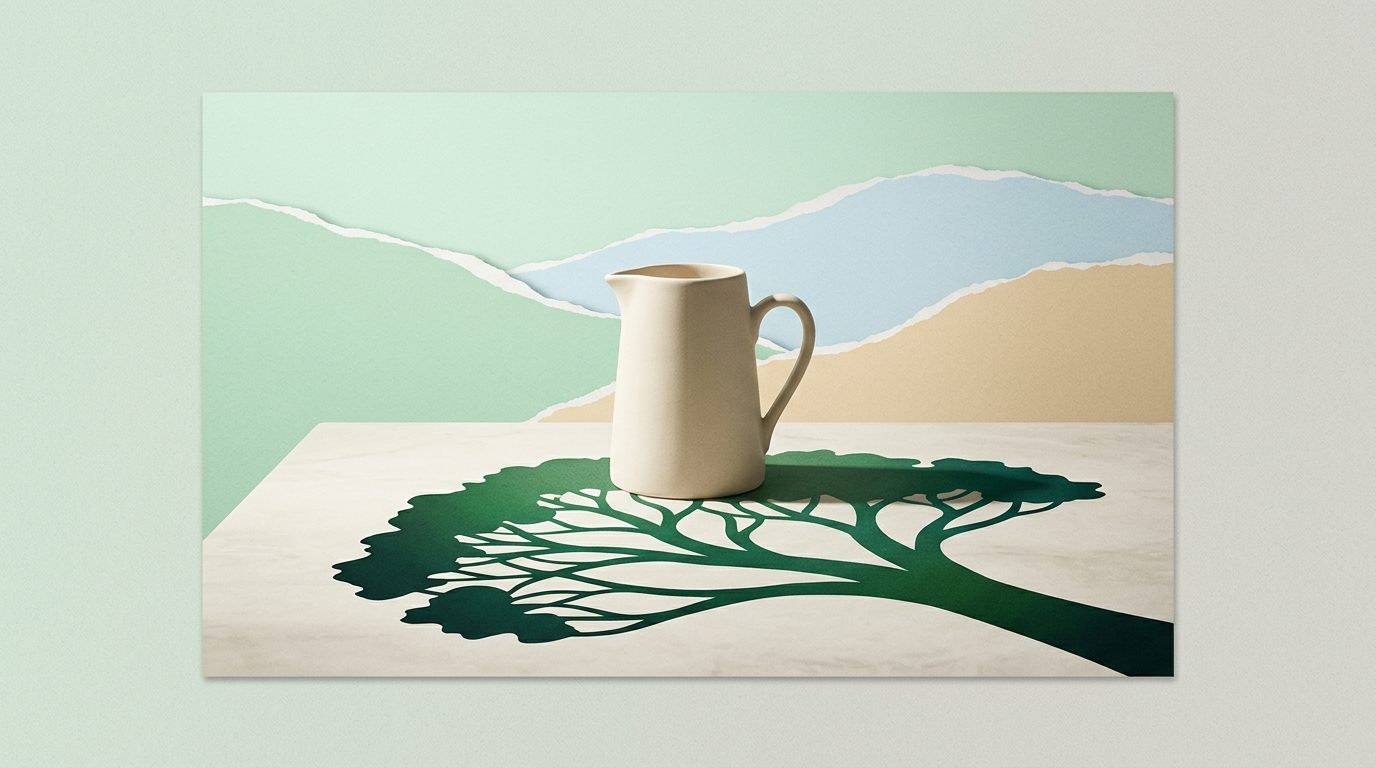
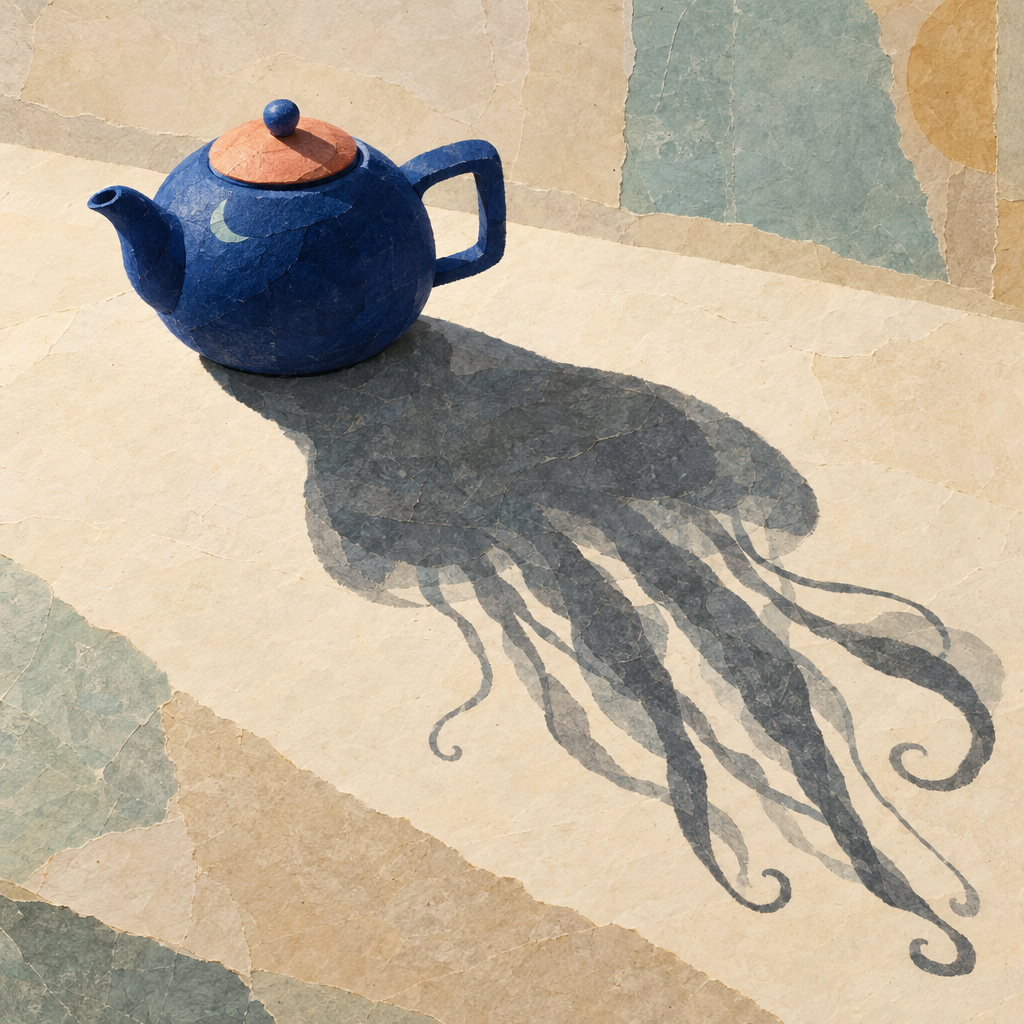
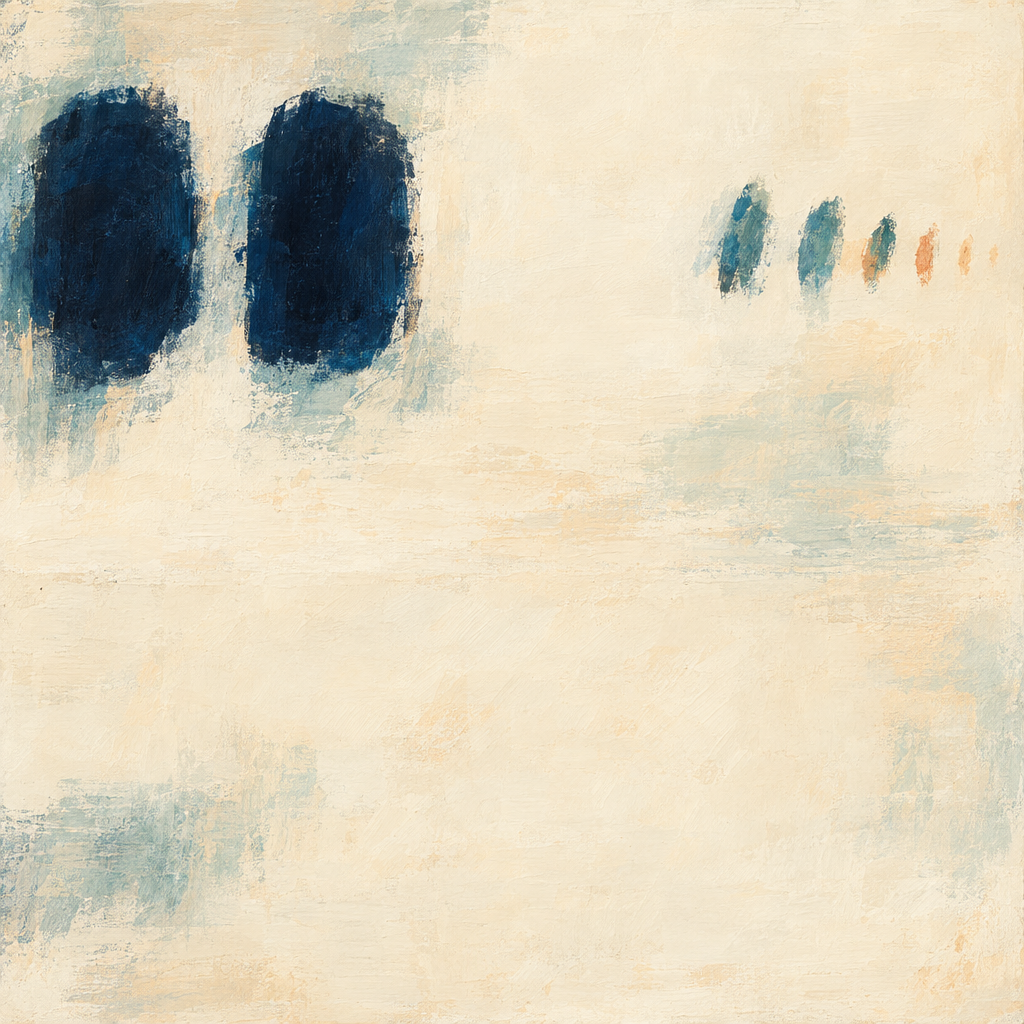
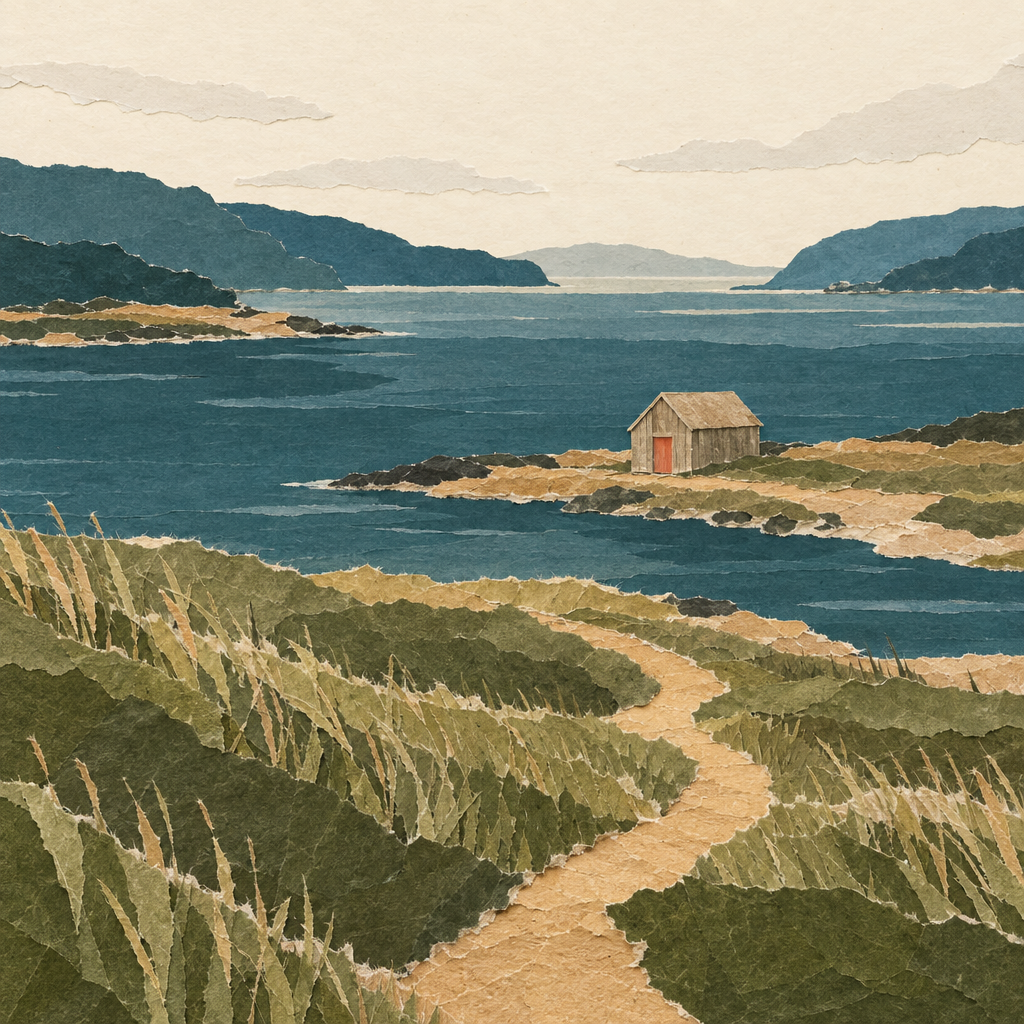
The image cards put the creative challenge into a specific relationship—an impossible shadow, a rhythm of marks, paper layers or a small action. That gives you something concrete to look for, rather than asking only for an interesting picture.
- 02
Preservation comes before decoration
Fixed object and character details are separated from optional styling. You can check whether a new palette changed the treatment or accidentally redesigned the subject.
- 03
The process can be the prompt
The studio card keeps your subject but changes how you use the available tools. Its first move and stopping point turn each option into an invitation you can act on.
- 04
The output matches the activity
Image cards ask for images. Studio and journal cards ask for human-facing art exercises. These are designed structures, not claims that every model or every session will produce the intended result.
How to use
- 01
Choose the activity, not the longest prompt. Start with the impossible shadow for a compact picture idea; choose a studio or journal card when you want to make the artwork yourself.
- 02
Fill only your chosen card's fields. Write literal details rather than 'as in my last image,' and use the stated defaults only where they suit your project. Keep personal notes minimal.
- 03
Copy the complete filled prompt into an image-capable tool for image cards or a text assistant for written briefs. The ready-to-make lists need no AI tool.
- 04
Review the result against the card's checks before adding complexity. Keep what served the idea, identify one mismatch and revise the relevant input rather than adding a string of unrelated adjectives.
Run a quick quality check.
Ready-to-use checklist
- You can state the chosen creative rule in one sentence and point to where the artwork follows it.
- Intentional impossibilities are confined to the idea: a strange shadow is allowed, but an extra unrequested handle is still a mismatch.
- The subject's defining shapes, garment colors and other fixed details survive the style treatment.
- Paper layers or abstract marks do the main visual work instead of appearing as a texture filter over an unrelated realistic scene.
- A written exercise starts with a physical action, uses an available kit and ends at an observable stopping point.
- A journal invitation leaves the meaning of colors and symbols to the maker rather than assigning a psychological interpretation.
Small choices that improve the result.
Make it stronger
- For a small start, work in a postcard-sized area and keep the first version to the main rule. You can expand the scene after you decide what interests you.
- For an existing OC, put identity-defining colors in the character field. Use the palette field for the environment and details that are genuinely open.
- If you already have a subject, use the process-remix card rather than collecting more subjects. Choose one of its options before beginning.
- Keep a short note beside a study: the rule you kept, the choice you changed and what you would try next. You do not need to rank every result.
Common mistakes
Combining every attractive idea
Several twists can compete for attention. Keep one transformation and save the others for another piece.
Asking for abstract sound art while specifying a visible instrument
Describe timing, texture and pauses instead when you want the source to disappear.
Calling an image a collage but requesting smooth photographic scenery
Specify paper silhouettes, exposed edges and overlap shadows, and remove the conflicting treatment.
Treating a short time box as a promise of a finished painting
Aim for a small study and account for drying or setting time when choosing a physical process.
Further guidance
12 art prompt ideas you can make without AI
Pick one invitation and make a small first version. Beginners can start with Window patch, Borrowed texture or One changed tile; each has a clear visual rule without requiring a full scene.
For a random choice, write the titles on slips and draw one. For daily art prompts, take the first seven as a seven-session challenge, at whatever pace suits you. You can use these ideas in a sketchbook, on loose paper or in a digital canvas.
- Window patch: Paint the warmth of a lit window using only two rectangles and one soft edge. Leave the rest of the paper untouched.
- Coat-pocket museum: Arrange or draw three ordinary things a fictional person keeps in one pocket. Make one item noticeably more worn than the others; add no explanatory labels.
- Borrowed texture: Draw a pear with the pattern of a knitted sleeve. Keep the fruit's outline recognizable and let the pattern supply the strangeness.
- One changed tile: Fill nine small squares with the same seed shape. Rotate the shape in just one square and leave all other differences out.
- Staircase of pauses: Make a collage of five rectangles rising across the page, but leave a deliberate gap where another step could fit. Let the empty space matter as much as the paper.
- Rain seen from below: Paint the underside of one leaf after a shower. Put a different patch of imagined sky inside each of three hanging droplets.
- A room that bends: Build an interior from curved shapes, except for one strictly rectangular doorway. Keep the doorway as the clearest edge in the picture.
- When the wind stops: Draw or paint a floating ribbon. Let every curve suggest movement except for one deliberately straight, still segment.
- Two seasons, one stem: Show one plant changing from flowering to seed-bearing along a single continuous stem. Keep the background one flat color.
- Visitor at closing time: Draw an original creature leaving something useful beside a locked door. Make the gift and the gesture readable without a caption.
- The shape of a small routine: Fill a journal page with a path of three kinds of marks for moving, pausing and returning. Use an ordinary or invented routine; no names or timetable are needed.
- A color you noticed: Build a journal page around one color from your day, or choose an invented one. Give it more space than every other color and keep the reason for your choice private if you prefer.
Six visual styles for AI art prompts
Choose a visible treatment rather than a pile of style labels. These are authored direction recipes you can adapt, not promises about a particular image model or a complete catalog of art movements.
Use one recipe in the medium field, then keep the subject and the main creative rule unchanged. The torn-paper landscape card already fixes its material treatment; change its palette or place instead of adding a conflicting medium.
- Transparent-wash look: Request thin overlapping color washes, soft pooled edges, visible paper and a few untouched light areas.
- Matte gouache-like illustration: Request broad opaque shapes, restrained dry-brush breaks and one crisp focal contour.
- Torn-paper collage: Request layered flat silhouettes, irregular edges, exposed fibers and shallow shadows where pieces overlap.
- Block-print look: Request bold light-and-dark masses, carved-looking interruptions and minimal tonal blending.
- Geometric abstraction: Request a small family of flat shapes, repeated proportions and one deliberate break in the pattern.
- Oil-paint-like surface: Request visible directional strokes, selective thick paint-like ridges and less detail away from the focal area.
7 original October art prompts
Use these undated ideas for your own October art challenge. They are not an official event list. Make one per session, repeat a favorite in another medium or stop after a week.
- Last seed: Paint an opened seedpod as a tiny theater, with one remaining seed as its only audience member.
- Borrowed shelter: Draw an original small creature wearing a curled leaf as a rain cape. Make the leaf larger than its body.
- Fog edits the town: Collage a street where mist removes half the building silhouettes. Let one roofline stay sharp.
- Orchard after closing: Paint an empty picking basket, leaving one apple-shaped area as untouched paper.
- Uninvited lantern: Place one warm lantern-shaped cutout among cool window shapes, but do not draw a building around them.
- Costume without a wearer: Make a mask from overlapping plant shapes. Leave the eye openings as bare paper and show no face behind it.
- First frost at the edge: Let a pale band interrupt a field of rust-colored leaf marks. Give neither texture the whole page.
Using an art prompt for AP Art and Design
Use a starter to develop your own inquiry, not as finished portfolio artwork. College Board permits generative AI during research, ideation, practice, experimentation and revision, but prohibits it from creating final submitted artwork. Its policy also requires disclosure of generative and non-generative AI use. Check the policy with your teacher before using these resources for assessed work. (apcentral.collegeboard.org)
Instead of treating a prompt as an assignment answer, choose a question you can explore through your own observations, material trials and revisions. These are possible starting questions, not official College Board prompts:
- How can repeated repairs make the same everyday object look cared for, worn out or transformed?
- How can the edges and gaps in a paper collage make a familiar place feel unfamiliar?
What it's for
Match the prompt to the job.
What this helps you do
- A visual concept with a specific creative rule you can inspect in the resulting artwork.
- Different ways to approach a familiar subject with the materials you actually have.
- A small, optional art-journaling exercise that leaves personal meaning to you.
- Ready-to-make ideas for an individual session, a daily sequence or an October challenge.
Who it's for
Find the right fit for your task.
Start with one visual rule: give an everyday object the shadow of something it could never be. Keep the object ordinary and let the shadow carry the surprise.
Choose an image card to generate artwork, or a studio card for a written invitation to make by hand. If you do not want to use AI, the art prompt lists below are ready to take straight to your materials.
Artists short on ideas
Choose a concrete visual invitation instead of inventing a subject, format and restriction all at once.
AI image makers
Generate a specific creative concept and check whether its defining rule survived the rendering.
Artists who already have a subject
Explore a different process using your actual supplies rather than receiving another list of things to depict.
Original-character creators
Preserve defining traits while showing the character through a small action.
Art journal keepers
Turn ordinary observations into optional visual exercises without asking a model to interpret your inner life.
FAQ
Are these art therapy prompts?
No. The journal card is a nonclinical creative invitation, not a treatment or assessment for adults or teens. The American Art Therapy Association describes art therapy as a mental health profession practiced within a psychotherapeutic relationship. If you want art therapy rather than a self-directed art activity, work with a trained, credentialed art therapist. You can skip any personal theme here and use neutral shapes or textures instead. (arttherapy.org)
- What is Art Therapy? Fact Sheet — American Art Therapy Association